ANTIRRHINUM MADAME BUTTERFLY ROSE F1
Image of • Use ← or → arrows to browse
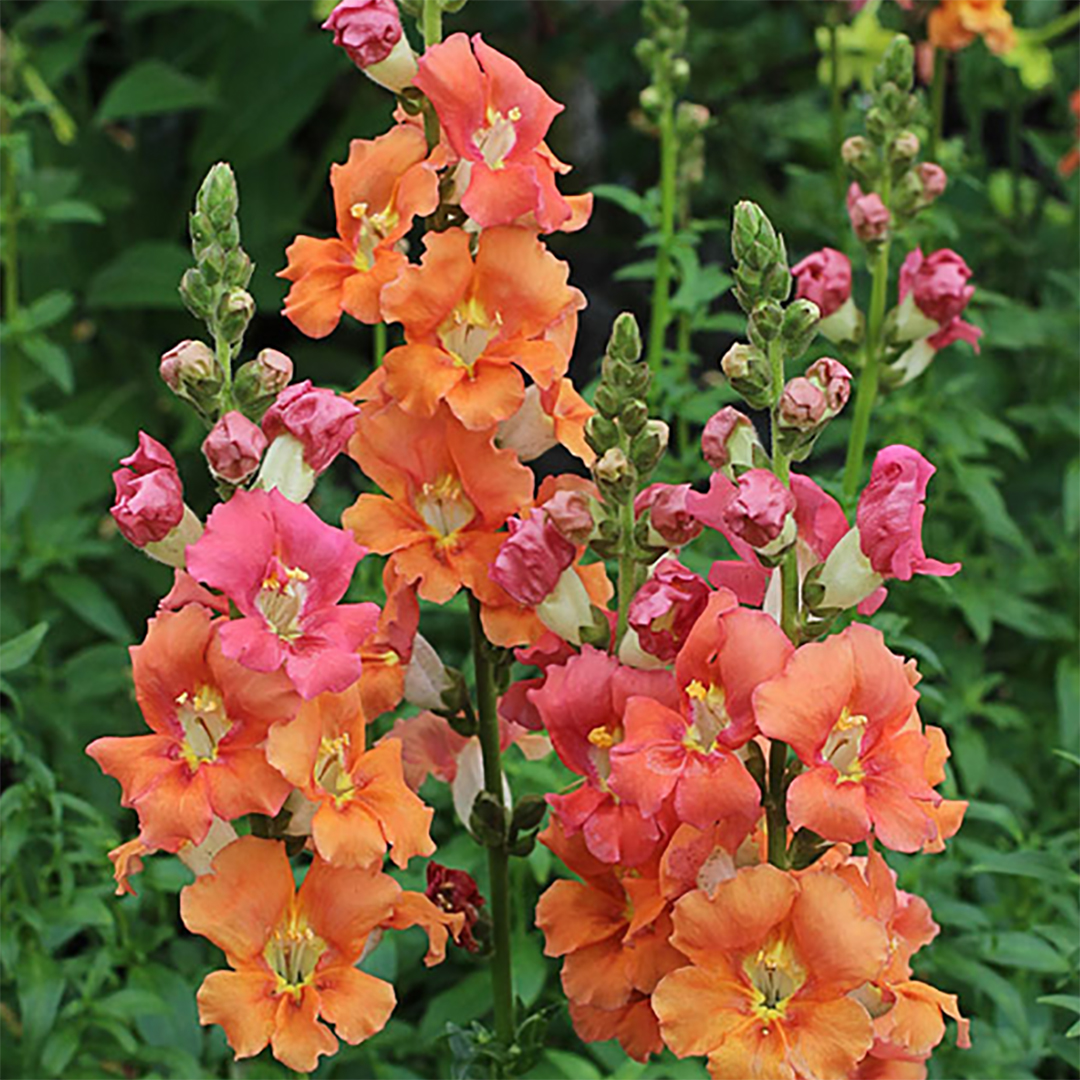
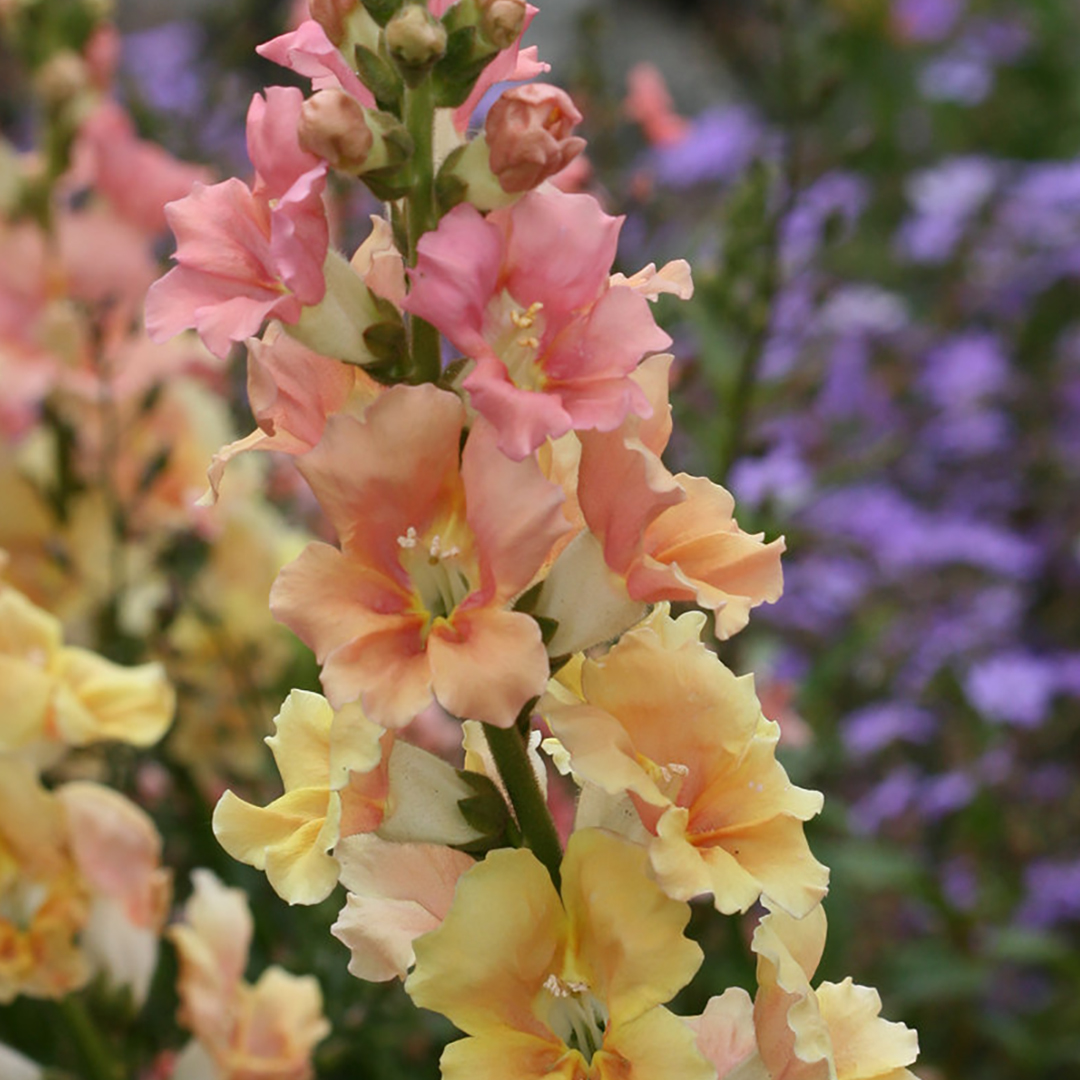
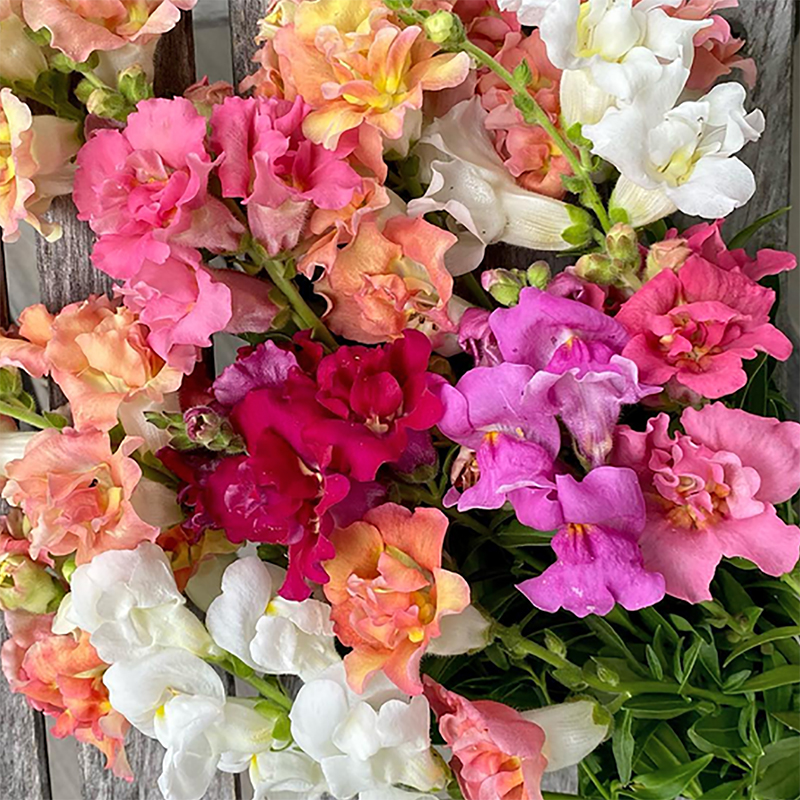
For many years separate colours of the Antirrhinum Double Madame Butterfly Series have been unavailable however finally we are able to re-introduce the glorious separate colours once again.
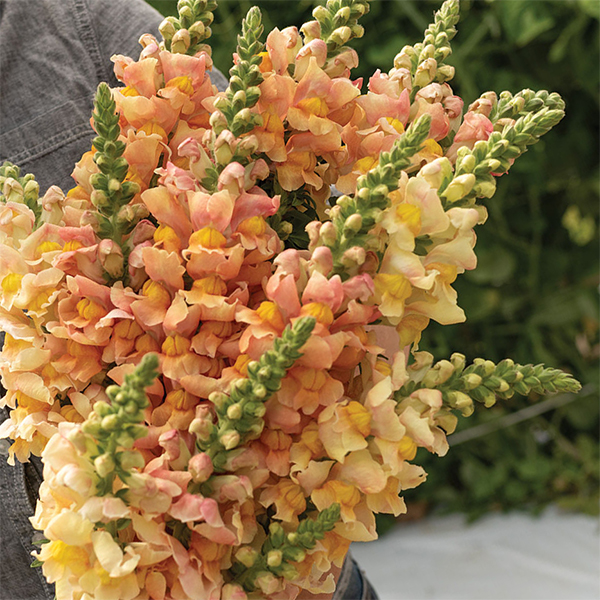
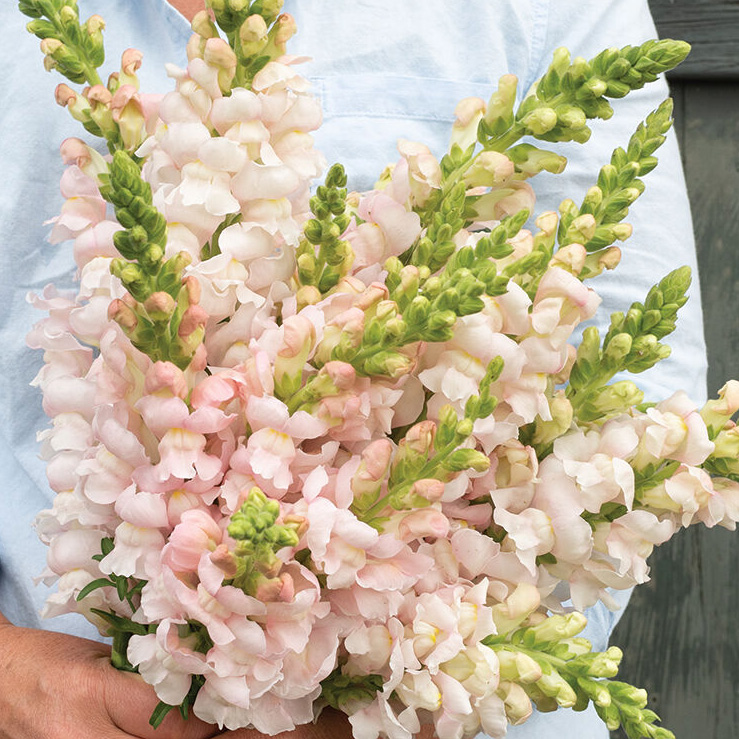
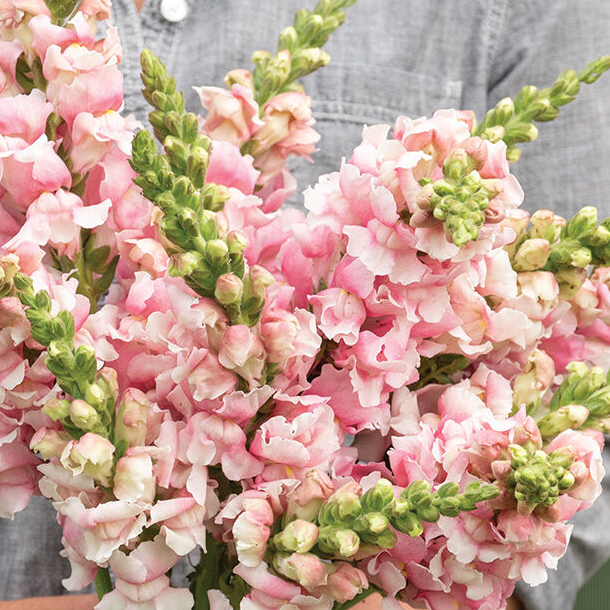
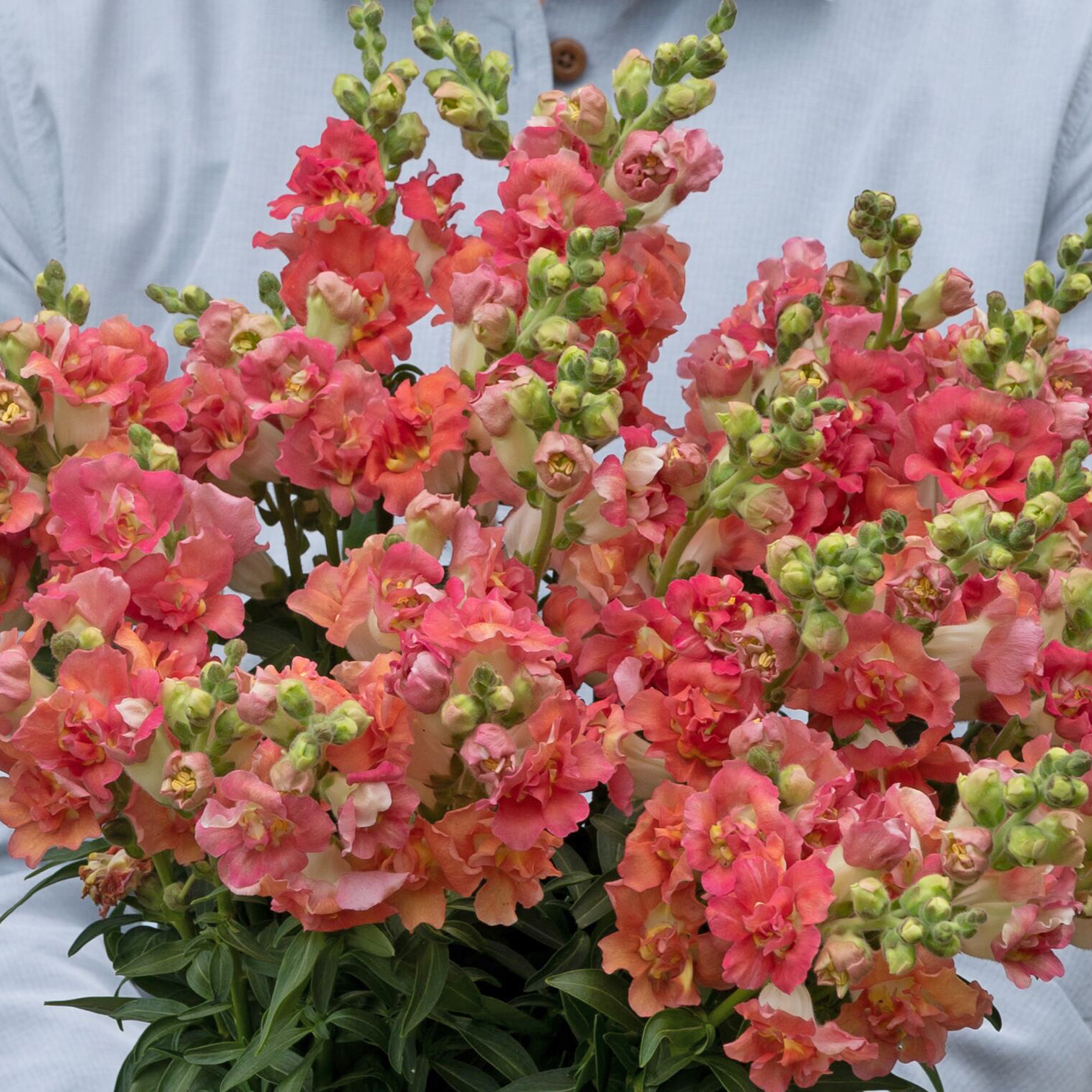
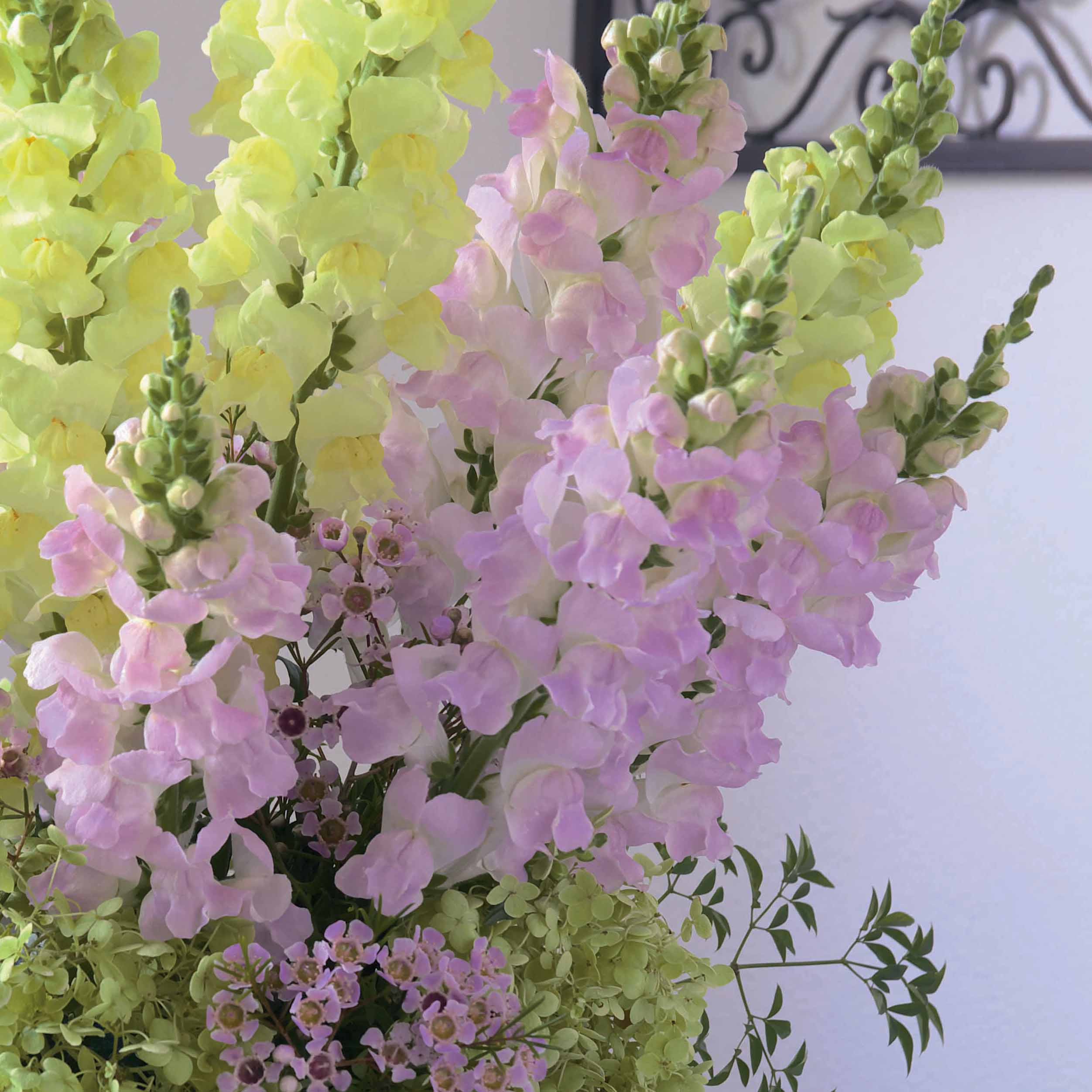
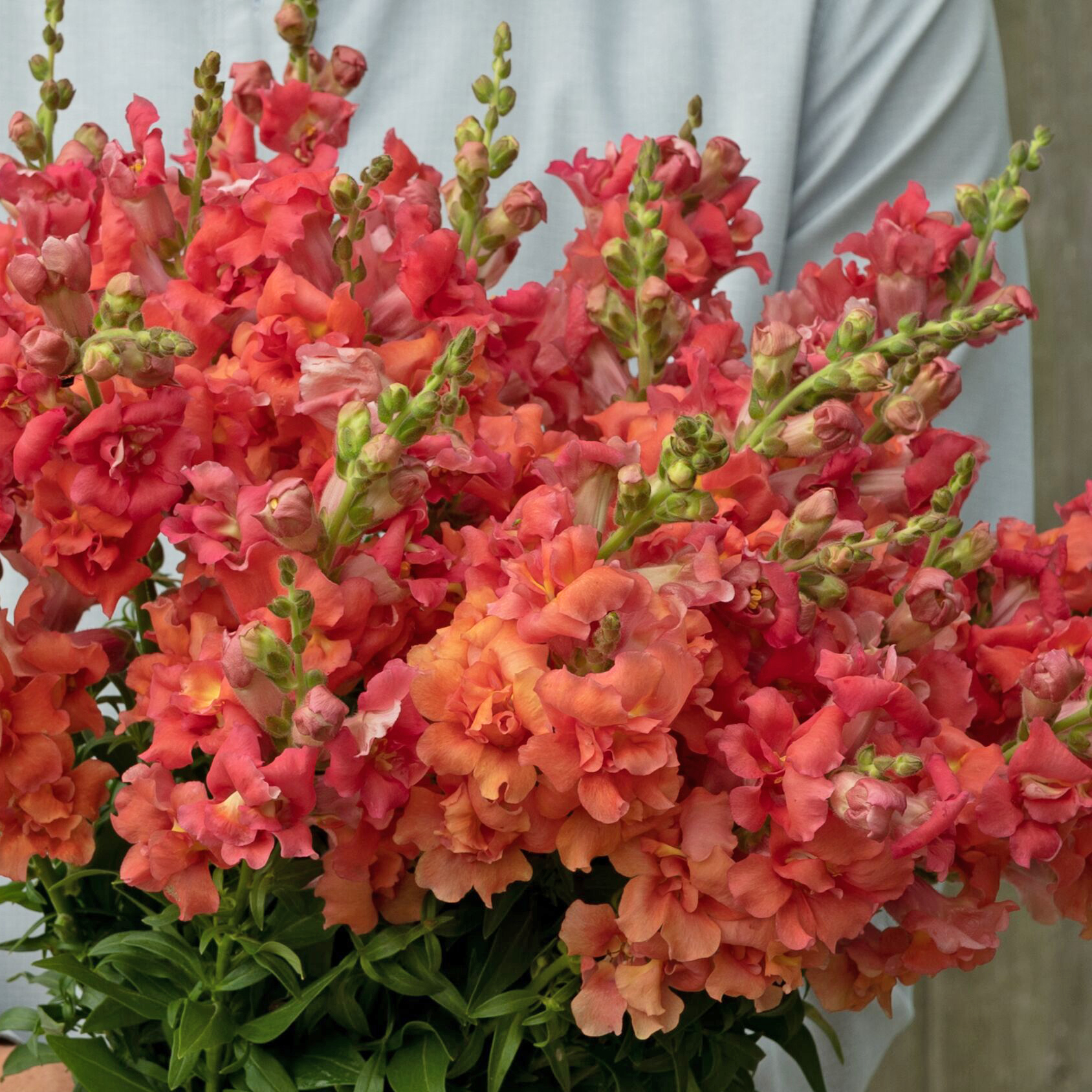
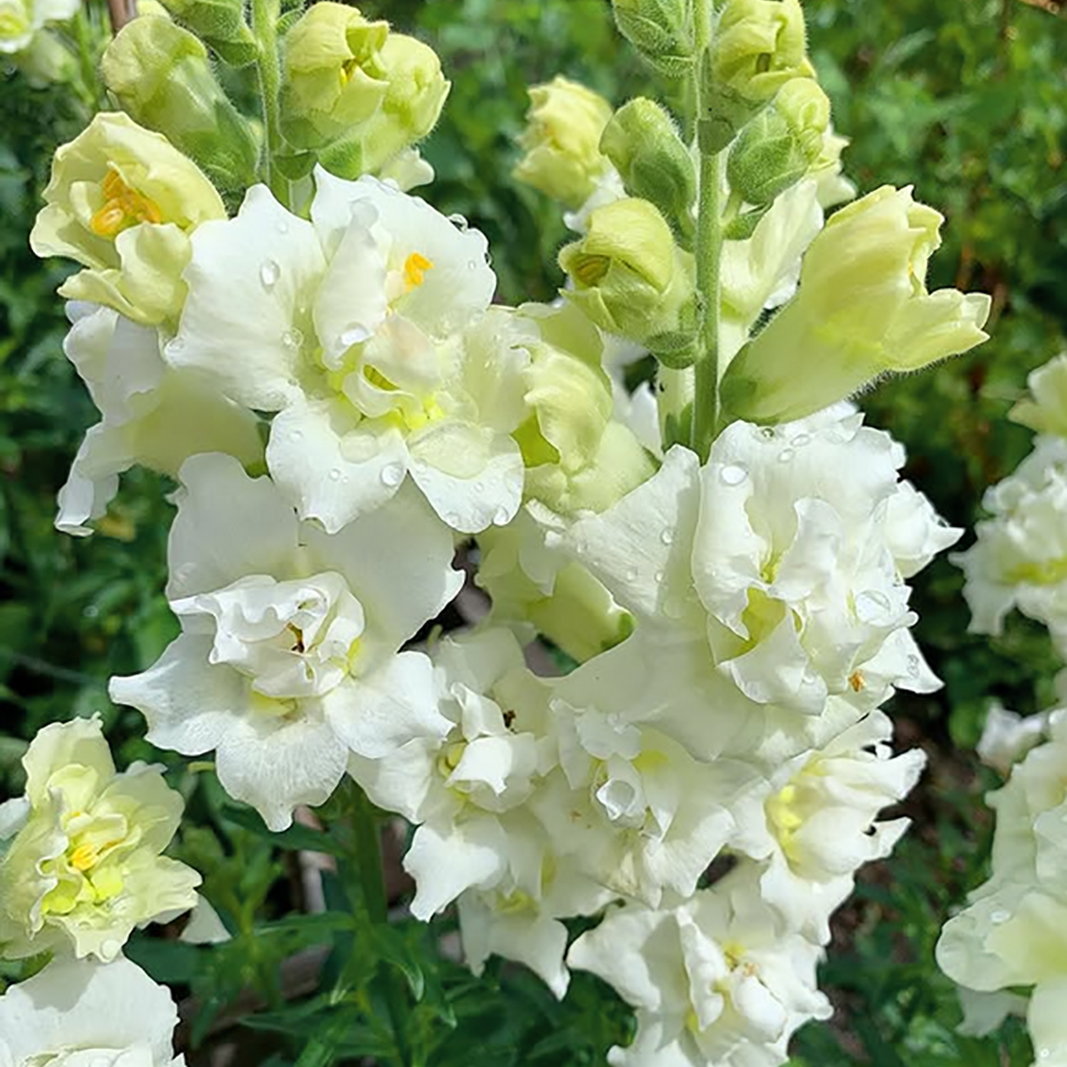
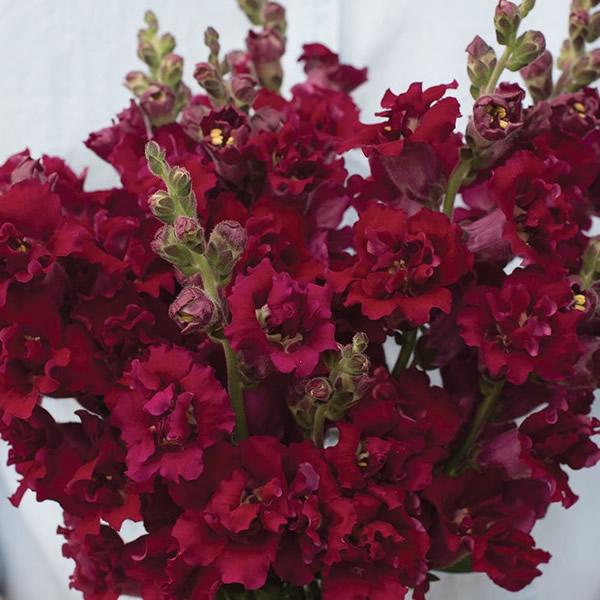
The fully double petals create beautiful fluffy blooms for a rather Victorian look and make absolutely delightful cut flowers too. A fabulous colourful garnish for salads, desserts and drinks too.
Madame Butterfly Rose F1. An simply gorgeous rose pink shade. 2'. HHA
How to Grow Antirrhinum from Seed
Antirrhinum or Snapdragons delight gardeners with their showy, butterfly attracting flowers and their low-maintenance requirements. Most snapdragons are grown as annuals since they tend to die back after heavy frost, but they will grow as short-lived perennials in warmer areas. Like most spring-blooming flowers, Antirrhinums are best sown indoors approximately 10 weeks before the expected last frost date in spring. They thrive in the cooler temperatures of late spring and are happiest in sunny locations with rich, well-drained soil. Under favourable conditions, snapdragons will self-sow.
Antirrhinum (snapdragon) varieties are classified into four distinct groups (Groups 1 to 4) based on their specific responses to day length, light intensity, and temperature.
Group 1
- Conditions: Prefer cool temperatures and short daylight hours.
- Blooming period: Earliest to flower, blooming in late winter through early spring (Feb–April).
- Use: Ideal for cold poly-tunnels, greenhouses, or very early spring outdoor production.
Group 2
- Conditions: Thrive in mild temperatures and moderate day lengths.
- Blooming period: Spring to early summer.
- Use: Grown for spring transitions and bridging the gap into warmer weather.
Group 3
- Conditions: Adapted to warmer weather and longer days.
- Blooming period: Mid to late summer.
- Use: Main-season garden display and standard summer cut-flower production.
Group 4
- Conditions: Heat-tolerant varieties that need long days and high light intensity to form proper stems.
- Blooming period: Height of summer.
- Use: Resists blighting or stalling during hot mid-summer weather when lower groups might fail or drop quality.
Sow Antirrhinum seeds in early spring, from February to April. Sow onto the surface of a moist, free-draining seed compost, into plug trays to prevent root disturbance or into seed trays. Cover the trays with polythene to retain moisture until the first seedlings are visible. Germination normally takes 10 to 21 days at 18-21oC.
After 5 weeks, when large enough to handle, the young plants will be ready for transplanting into individual pots where they can grow on until they are nicely established. Harden off before planting out when all danger of frost has passed.