TULIP AMAZING GRACE
Image of • Use ← or → arrows to browse
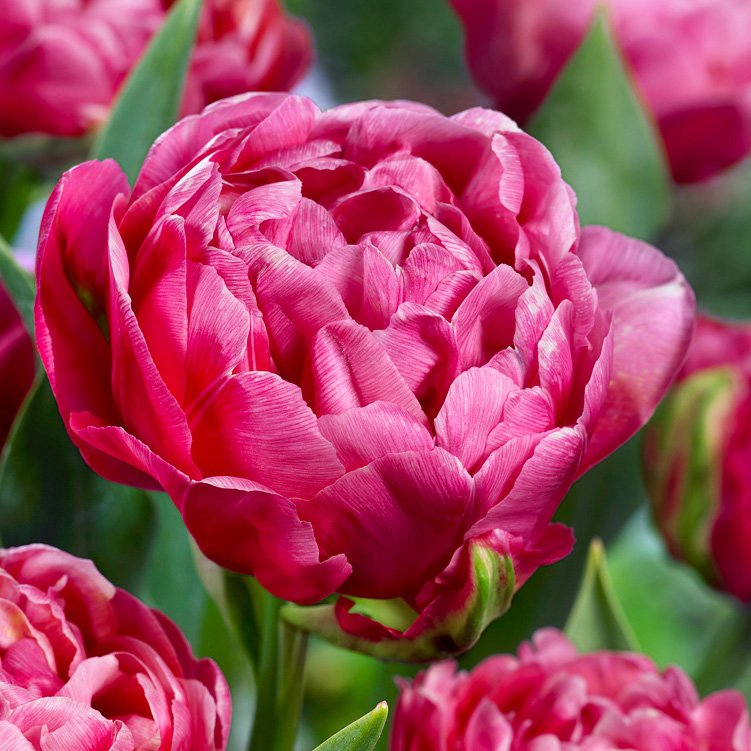
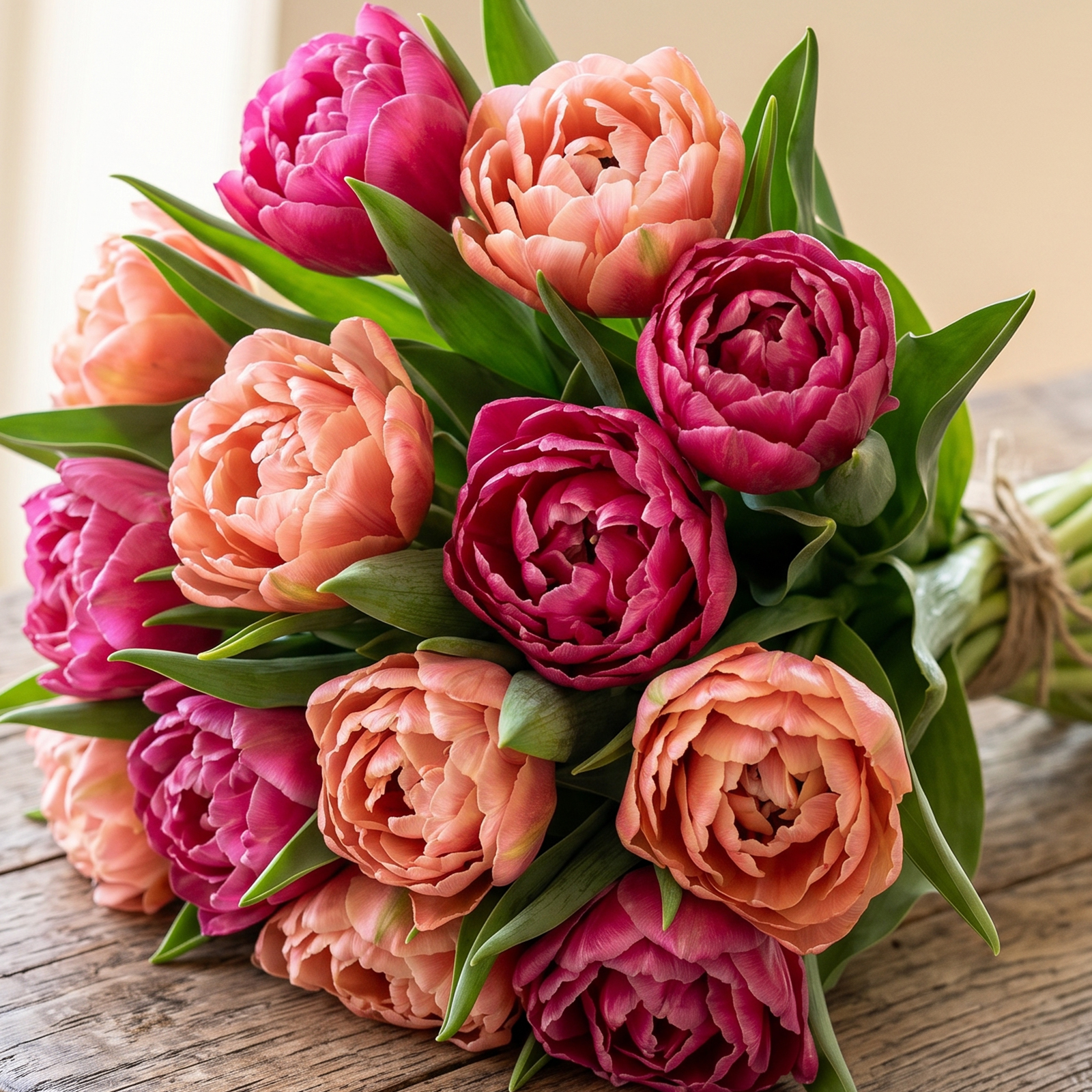
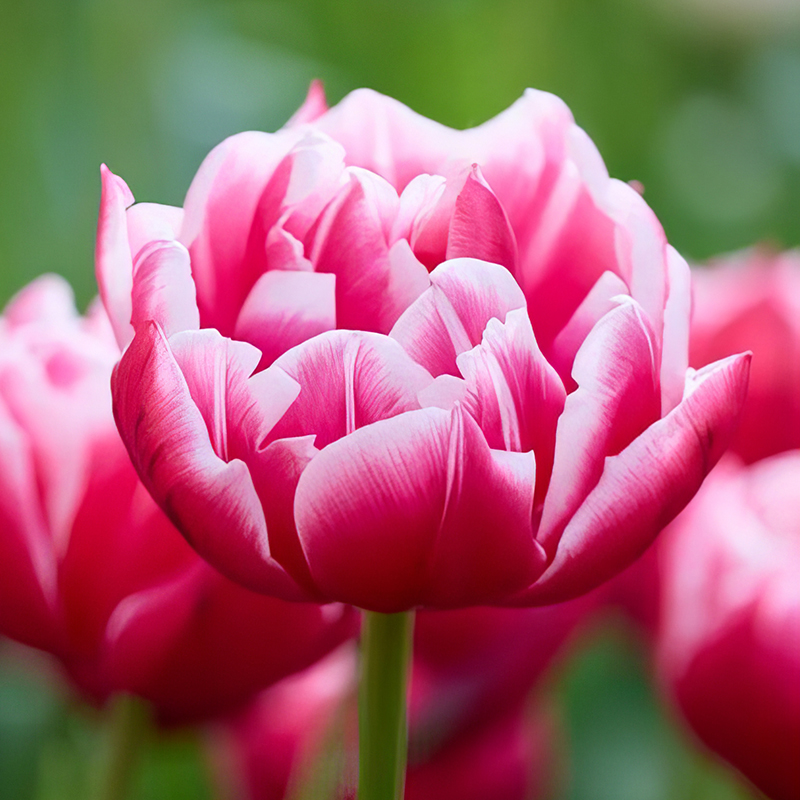
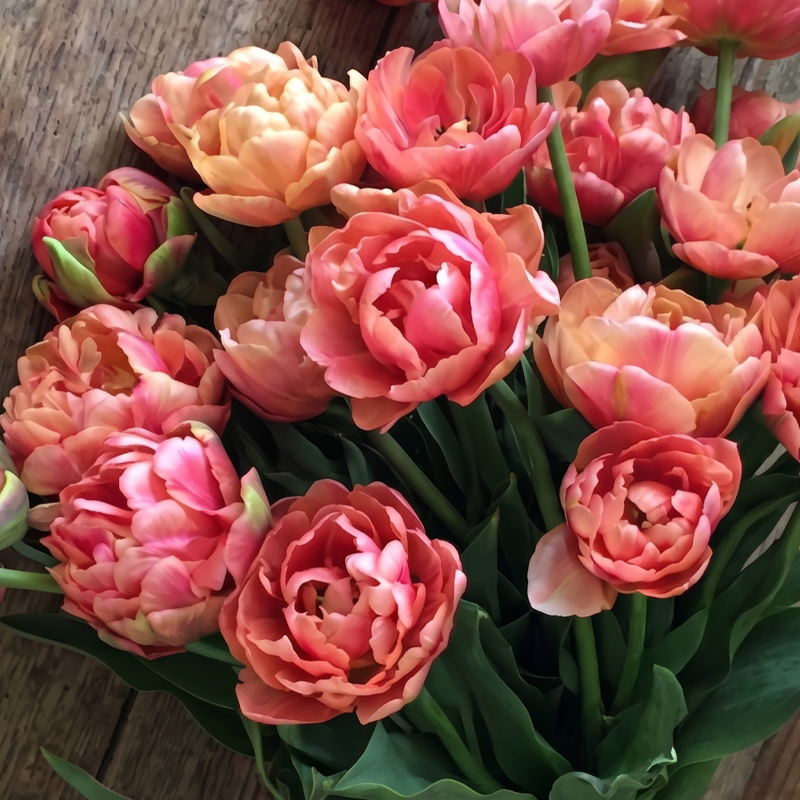
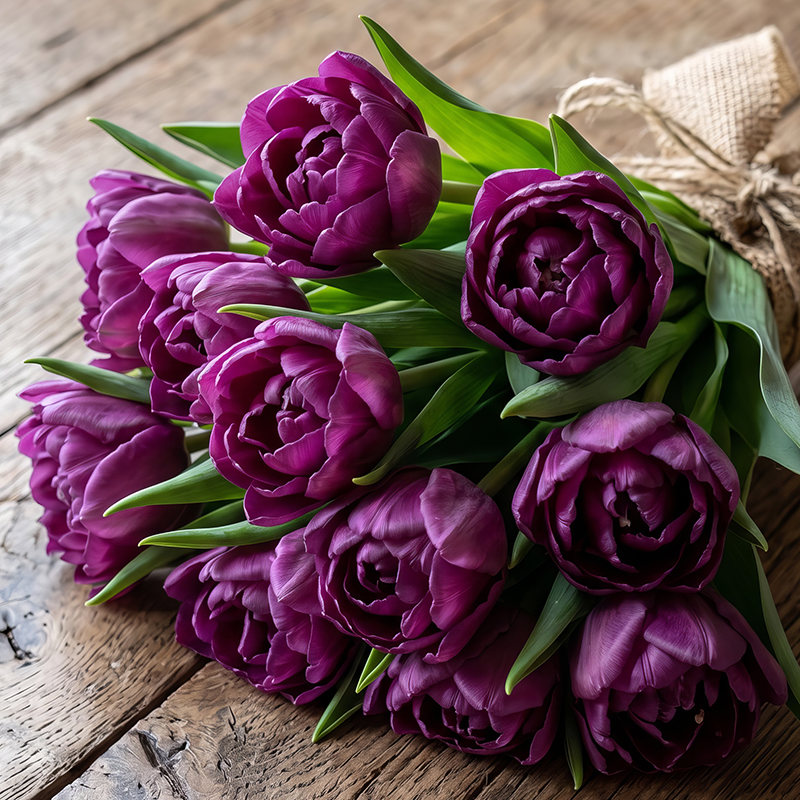
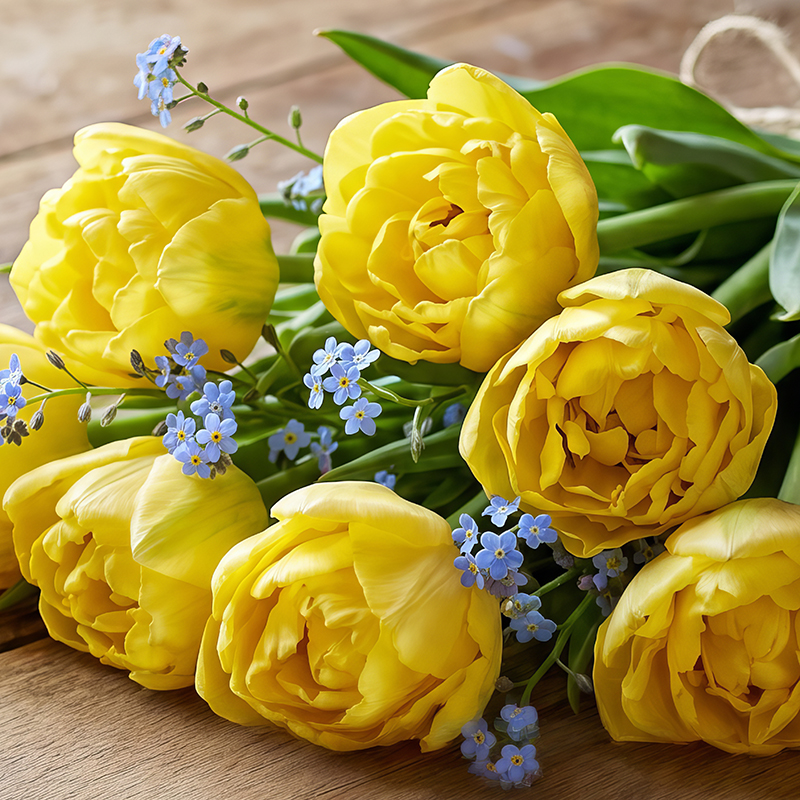
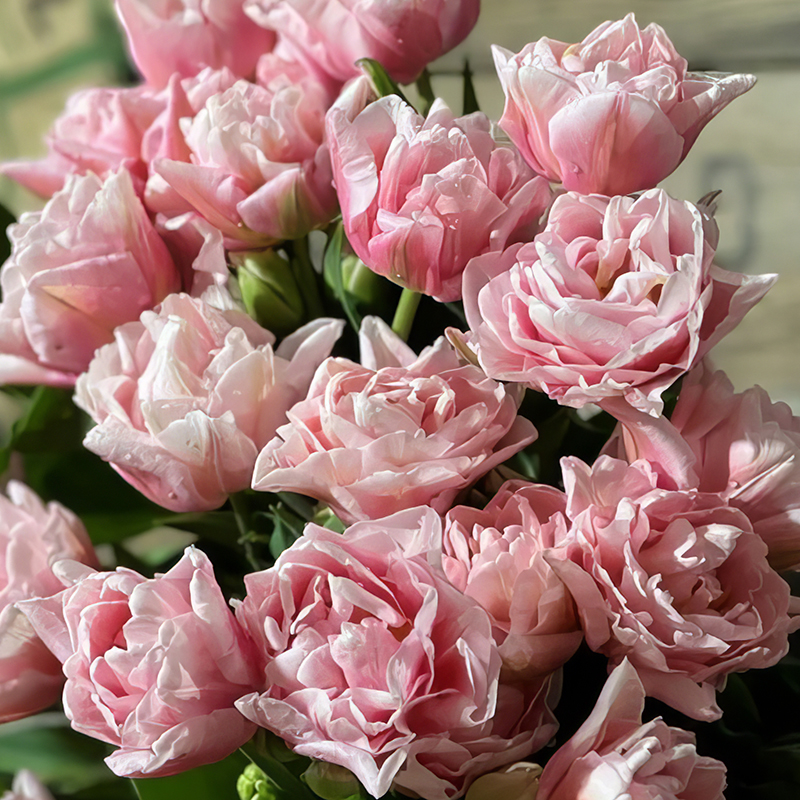
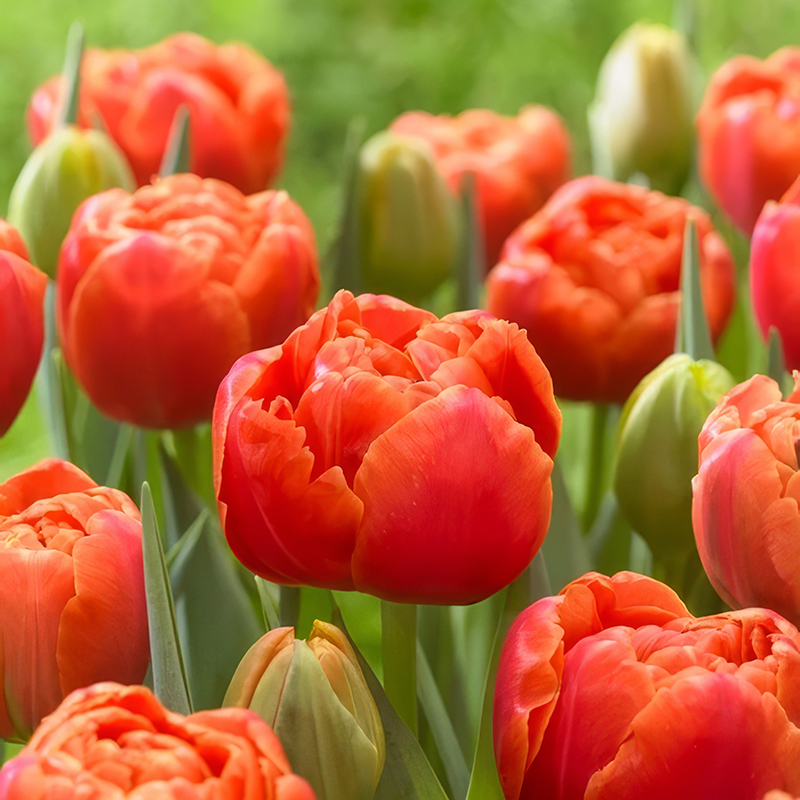
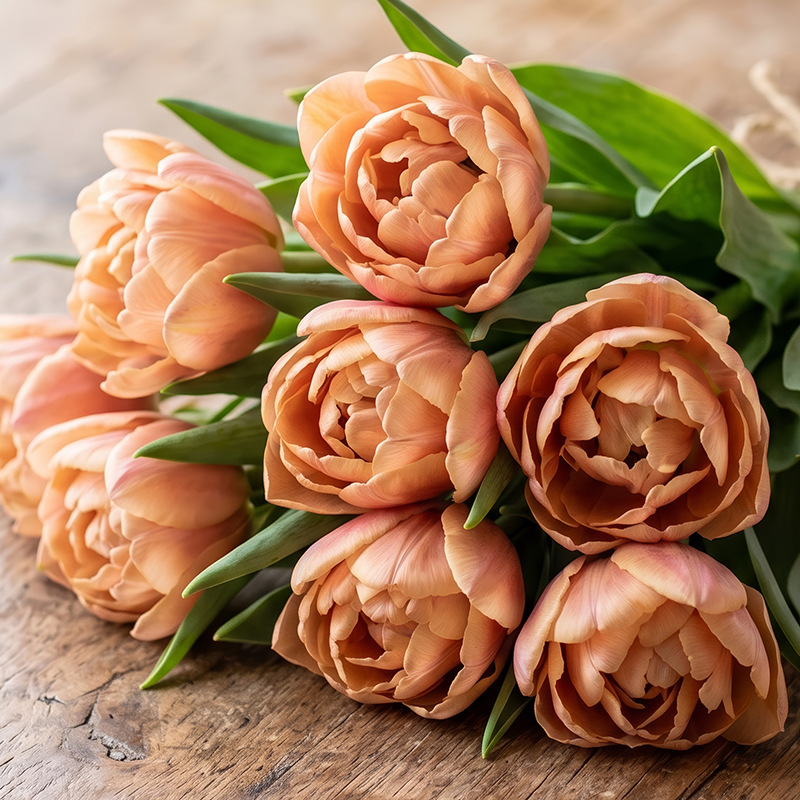
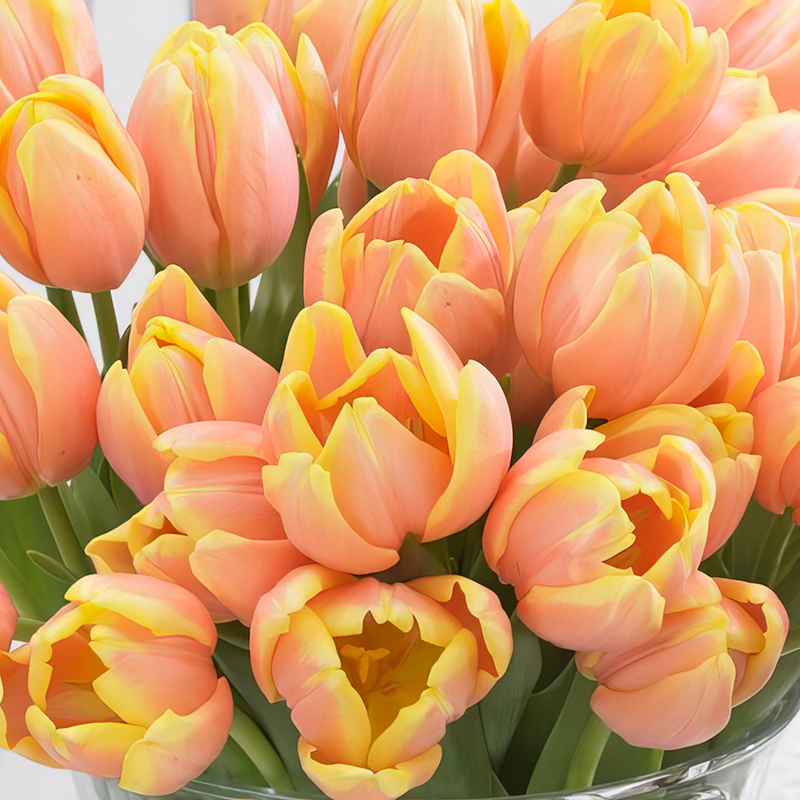
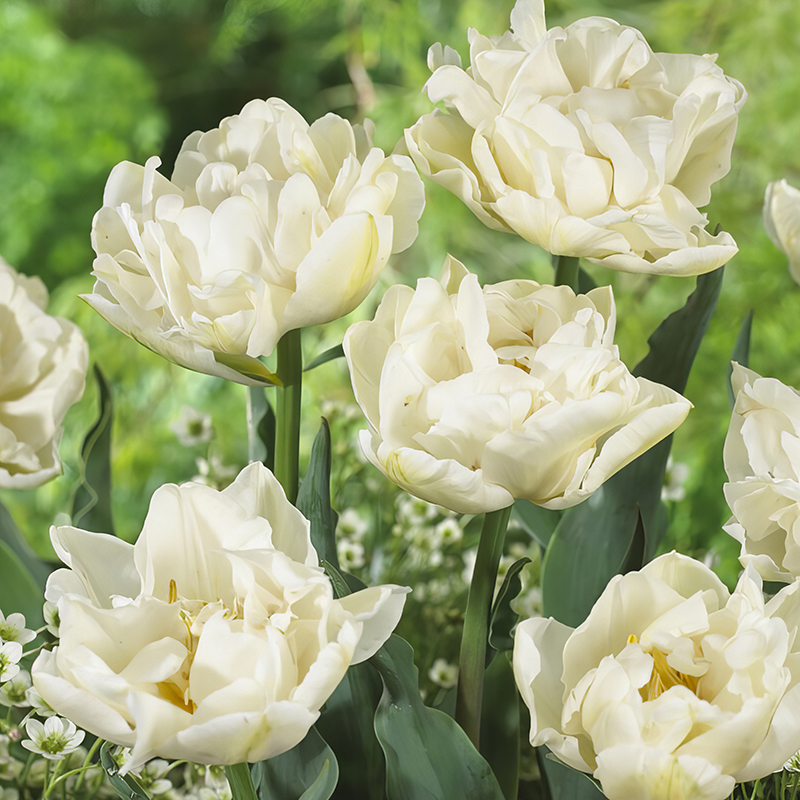
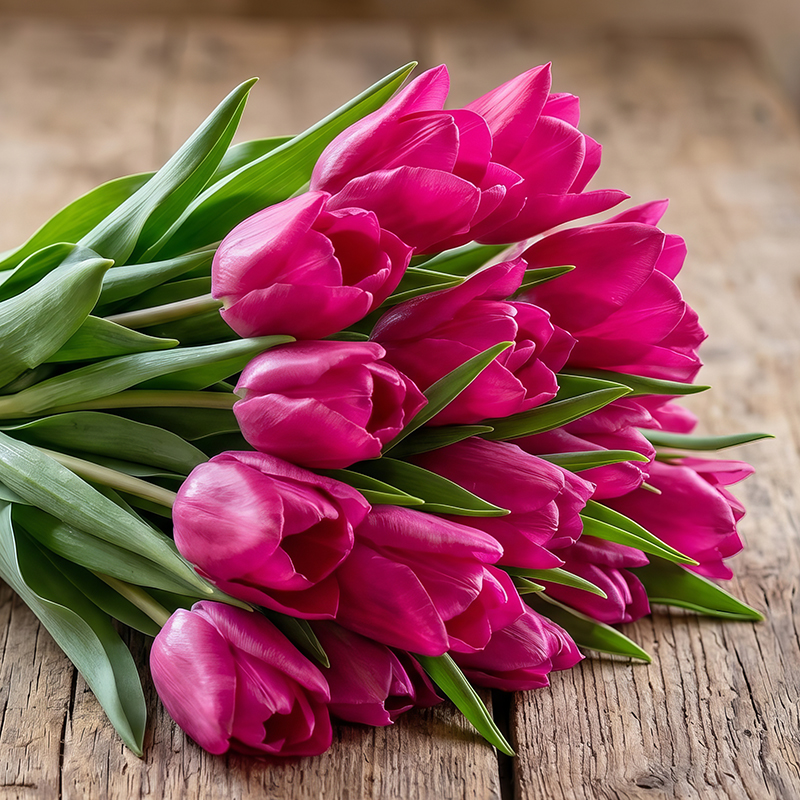
Tulip Amazing Grace opens as a soft lavender-pink with touches of pale green before deepening into rich rose-pink ruffled blooms. Their fully double blooms create a sophisticated display in any garden.
Flowering Time - Late Season.
Supplied as 11/+ bulb size for impressively large, high quality flowers.
10 bulbs per pack Delivery: Early Oct
AVAILABLE TO UK CUSTOMERS ONLY
REGRET NO CLUB DISCOUNT AVAILABLE ON BULBS & CORMS
How to Grow Bulbs - A General Guide
Bulbs are useful for adding colour to spring borders.
Tulips come in all shades, from dark purple to white, and bloom at a time of year when many plants offer muted colours. There are early, mid season and late varieties and as a general guide, you can expect them to flower:
Early Season: Late March/April
Mid Season: April
Late Season: Late April/May
Other bulbs, such as snowdrops and scillas, are some of the earliest flowering plants in the garden, brightening up the short days of very early spring. Planting summer-flowering bulbs such as lilies and gladioli can provide dramatic, tall blooms that are scented. Autumn-flowering bulbs, such as nerines, can brighten up the late season with unexpectedly colourful displays.
When to plant bulbs:
Autumn:
Plant spring-flowering bulbs, such as daffodils, crocus and hyacinths, preferably by the end of September
Plant tulips in November
Plant hardy summer-flowering bulbs, such as lilies, alliums and crocosmia, in September and October
Spring:
Plant tender summer-flowering bulbs, including gladioli, in early spring Summer
Plant autumn-flowering bulbs, such as nerines, by late summer
Where to plant bulbs:
Some bulbs need specific siting; Most hardy bulbs, including tulips and daffodils, prefer a warm, sunny site with good drainage as they come from areas with dry summer climates Bulbs from cool, moist, woodland habitats, such as Cardiocrinum, need similar garden conditions. Improve light or sandy soils with garden compost and heavy soils with compost plus grit
How to plant bulbs:
Most bulbs are acquired and planted when dry, in a dormant, leafless, rootless state.
Plant as soon as possible. They may flower poorly following later than recommended planting or after lengthy storage. Planting in borders Aim to plant in groups of at least six, as the more bulbs that are grouped together, the better the display. Typically, 25 to 50 bulbs may be needed to make an impressive show.
This method applies to spring, summer and autumn-flowering bulbs:
Dig a hole wide and deep enough for your bulbs. Work out the planting depth by roughly measuring the bulb from base to tip and doubling or tripling this length – this figure is the rough planting depth. For example, a 5cm (2in) high bulb should be 10-15cm (4-6in) below soil level. Place the bulbs in the hole with their ‘nose’, or shoot, facing upwards. Space them at least twice the bulb’s own width apart. Replace the soil and gently firm with the back of a rake. Avoid treading on the soil as this can damage the bulbs.
Some bulbs, such as winter aconites, bluebells and snowdrops, are thought to be best planted, moved or divided ‘in the green’, when flowering is over but they are still in leaf. However, dried bulbs are often offered and can be successful.
In containers:
Most bulbs are ideal for growing in containers, but this especially suits those with large, showy flowers, such as tulips, lilies, arum lilies and alliums. Here are some tips for success:
For bulbs that are only going to spend one season in their container, use a mix of three parts multi-purpose compost with one part grit.
For long-term container displays, use three parts John Innes No 2 compost mixed with one part grit.
Plant at three times their depth and one bulb width apart.
Water bulbs regularly when in active growth, but you can reduce watering once the leaves start to die down and then through the dormant season. However, continue to check pots in winter, ensuring they do not dry out completely.
To promote good flowering next year, feed the bulbs every seven to ten days with a high-potassium fertiliser such as a liquid tomato feed.
Begin feeding as soon as shoots appear, and stop feeding once the foliage starts to die down at the end of the season. If you bring pots of hardy bulbs indoors during flowering, put them in a sheltered spot outside as soon as flowering is over.
We will send detailed planting instructions with all bulbs ordered.